

{
  "authors": [
    "Amel Boubekeur",
    "Camille Ammoun",
    "Yasmine Zarhloule",
    "Petter Lyden"
  ],
  "type": "event",
  "centerAffiliationAll": "",
  "centers": [
    "Malcolm H. Kerr Carnegie Middle East Center"
  ],
  "englishNewsletterAll": "",
  "nonEnglishNewsletterAll": "",
  "primaryCenter": "Malcolm H. Kerr Carnegie Middle East Center",
  "programAffiliation": "",
  "regions": [
    "Maghreb"
  ],
  "topics": [
    "Climate Change"
  ]
}
“Greening” the Maghreb or Exploiting It?
Thu, April 30th, 2026
3:30 PM - 4:30 PM (GMT+3)
Virtual
Invalid video URL
The Maghreb region sits at the center of an accelerating green transition, as European Union decarbonization and energy security agendas have deepened corridor-focused partnerships with Algeria, Morocco, and Tunisia across wind, solar, and emerging hydrogen projects. While proximity and resource endowments position the region as a pivotal partner for Europe, the shift raises a fundamental question of whether the green transition can generate broad-based development, or will it reproduce extractive relationships organized around Europe’s needs rather than regional resilience?
To address these issues, the Malcolm H. Kerr Carnegie Middle East Center will host a panel discussion on April 30, at 3:30 PM Beirut Time. The panel will consist of Amel Boubekeur, Tenure-track Professor at Aix-Marseille University (LEST-CNRS), Yasmine Zarhloule, nonresident scholar at the Malcolm H. Kerr Carnegie Middle East Center, and Petter Lyden, co-Head of Division for International Climate Policy at Germanwatch.
The panel will mark the publication of a Carnegie paper that examines the political economy of the green transition in the Maghreb and its implications for development, stability, and EU–Maghreb relations. The discussion will bring together experts in energy policy and regional affairs, who will assess how financing models, regulatory frameworks, and export-first investment structures shape political outcomes. The panel will also examine whether investments can translate into tangible gains, namely affordable energy provision, durable employment, and local technical capacity, and look at what a credible, justice-centred EU partnership would require in practice.
The event will be in English and moderated by Camille Ammoun, nonresident scholar at the Malcolm H. Kerr Carnegie Middle East Center.
Viewers are invited to submit questions via the live chat feature on Facebook and YouTube.
For more information, please contact Najwa Yassine at najwa.yassine@carnegie-mec.org.
Carnegie does not take institutional positions on public policy issues; the views represented herein are those of the author(s) and do not necessarily reflect the views of Carnegie, its staff, or its trustees.
Event Speakers
Former Resident Scholar, Middle East Center

Boubekeur was an associate scholar at the Carnegie Middle East Center. Her research focuses on Maghreb country politics, Euro–Arab relations, and Islam in Europe.
Nonresident Scholar , Malcolm H. Kerr Carnegie Middle East Center
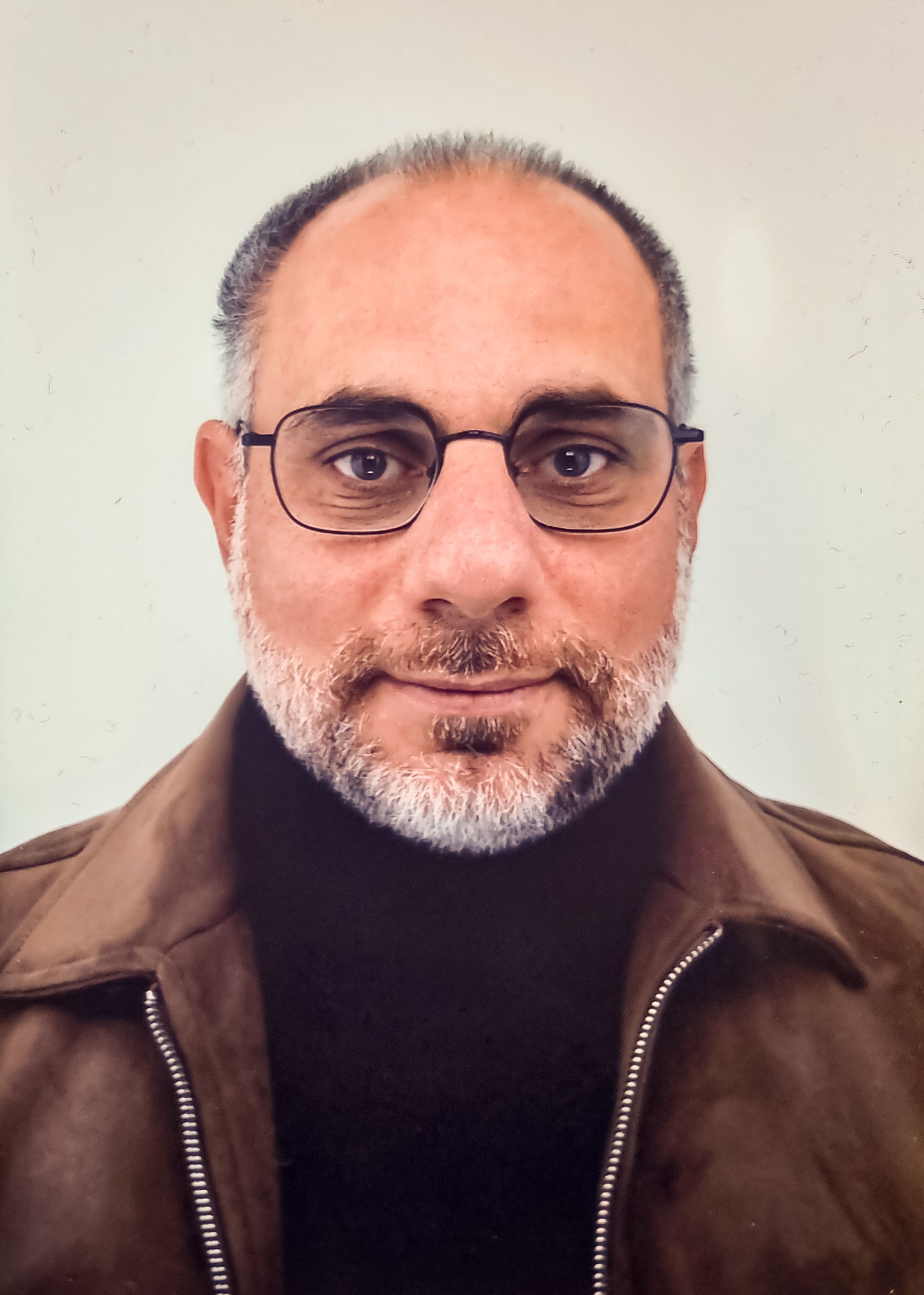
Camille Ammoun is a nonresident scholar at the Malcolm H. Kerr Carnegie Middle East Center. His research focuses on climate change, political economy, and urban development.
Nonresident Scholar, Malcolm H. Kerr Carnegie Middle East Center

Yasmine Zarhloule is a nonresident scholar at the Malcolm H. Kerr Carnegie Middle East Center.
Petter Lyden
Co-Head of Division for International Climate Policy at Germanwatch
Petter Lydén is co-Head of Division for International Climate Policy. He has participated in the UN climate negotiations since 2004 and is an experienced government advisor on climate policy at Germanwatch.